
 By Asif
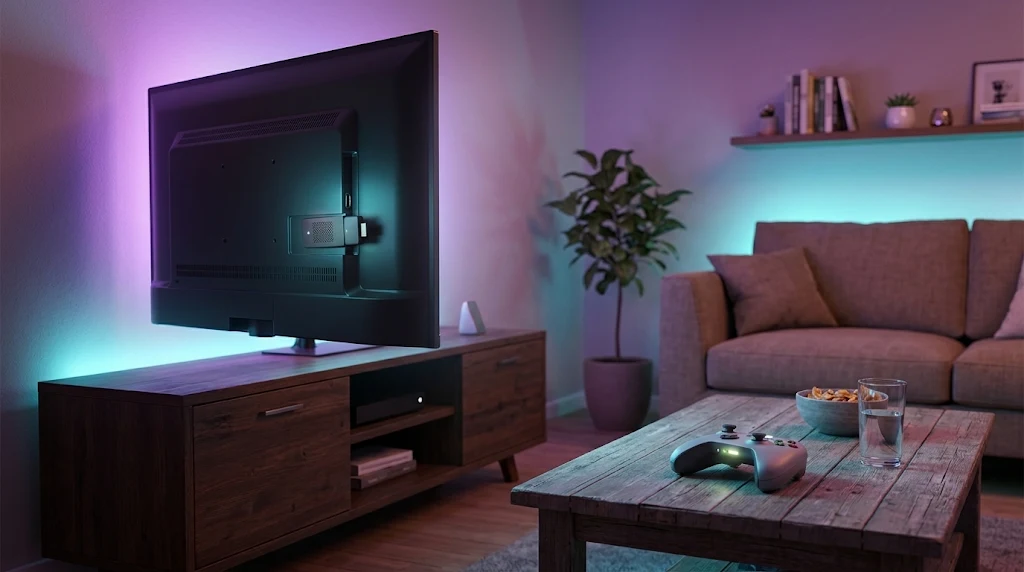
A game stick looks simple. Plug it in, turn on the screen, start playing. And sometimes that really is all it takes. But a lot of people plug theirs in, see a blurry picture or a laggy game, and decide the device is bad. Most of the time, the device is fine. The settings just aren’t right.
These lcfgamestick instructions from lyncconf will take you from the box to a smooth first game, and then show you how to tune things so it feels better. Nothing technical, I promise.
What You Need Before You Start
Get these things ready first, so you don’t stop halfway:
- Your game stick and its power cable or adapter
- A TV or monitor with a free HDMI port
- A controller (and fresh batteries or a charged one)
- A stable Wi-Fi connection, or a wired connection if your setup allows it
- An account for the games or service you plan to use
A small tip: use the power adapter that came in the box. Plugging the stick into a weak USB port on the back of an old TV is one of the most common reasons for random restarts and freezing.
Step-by-Step Setup
- Connect the stick. Push it into the HDMI port on your screen. If space is tight, use the small extension cable if one came with it. It also helps airflow.
- Power it up. Connect the power supply and plug it into a wall socket if you can.
- Choose the right input. On your TV, switch to the HDMI port you used. You should see the setup screen appear.
- Pair your controller. Follow the on-screen steps. Usually you hold a button on the controller until a light starts blinking.
- Connect to the internet. Pick your Wi-Fi network and type the password carefully. Passwords are the number one reason for “it won’t connect”.
- Sign in and update. Log in to your account, and let the system install any waiting update. Don’t skip this part. It often fixes problems you haven’t met yet.
Give it a few minutes at the end. The first start can be slow while everything installs.
The Display Settings That Matter
Once you’re in, go to the display or video settings. This is where the lcfgamestick special settings by lyncconf start making a real difference.
Resolution. Choose the highest resolution your screen supports, but be honest about your internet speed. A higher resolution looks sharper, but it needs more speed to stream or load without trouble. If the picture stutters, drop it one step and see what happens.
Refresh rate. If your TV and stick both support a higher rate, such as 60 Hz instead of 30 Hz, turn it on. Movement will look much smoother in games.
Game mode on your TV. Many TVs have a “game mode” in their picture settings. It turns off extra picture processing, which cuts the delay between pressing a button and seeing the action. For fast games, this alone can feel like a new device.
Sound Settings
Check the audio output. If you connect to a TV through HDMI, sound usually comes from the TV speakers. If you use a soundbar or headphones, make sure the stick is sending audio to the right place.
If you notice that sound and picture don’t match, look for an audio delay or sync setting. Tiny adjustments here fix a lot of annoying “mouth doesn’t match voice” problems.
Controller Settings
A controller that feels slow usually has one of three problems: low battery, distance or interference. Keep it charged, stay within a few metres of the stick, and move other wireless gadgets away from the stick if you can.
Some systems let you change button layout and sensitivity. Take two minutes to set them how you like. It makes more difference than you’d think, especially in games where you aim or turn fast.
Network Settings for Smooth Play
This is the part people ignore, and it’s often the real cause of lag.
- Sit as close to your router as you can, or move the router closer.
- If your router has two bands, connect to the 5 GHz one. It’s faster over short distances than 2.4 GHz.
- Ask other people at home not to download big files or stream video in 4K while you’re in an important match.
- If the stick supports a wired adapter, it’s the most stable option.
A quick speed test on your phone, standing near the screen, will show you what you’re really getting.
Fixing Common Problems
No picture at all. Check the HDMI input on the TV, then try another HDMI port. Make sure the power adapter is connected properly.
Picture is blurry or stretched. Go back to the display settings and set the resolution to match your screen. Also check your TV’s picture size setting, and set it to “fit to screen” or “1:1”.
Game lags. Lower the resolution, close other apps, and improve your Wi-Fi as above.
Stick feels hot. A warm stick is normal. A very hot one isn’t. Use the extension cable, keep it out of closed cabinets and give it room to breathe.
Controller disconnects. Replace or charge the battery and pair it again.
When all else fails, restart the stick. If that doesn’t help, a factory reset is the last option, but only after you’ve saved or noted your account details.
Keep It Updated, But Carefully
System updates are good, but read what they change first. We explain this in our update guides, and the same rules apply here: have a stable connection, plenty of power and don’t interrupt it halfway.
A Few Small Habits That Help
Turn it off properly instead of cutting the power. Restart it once a week. Clear out apps and games you don’t play anymore, because a full memory makes any stick slower. And keep the box or note down the model name, because you’ll need it if you ever need help.
Final Thoughts
A game stick is a small device that can do a lot, but only if it’s set up with a bit of care. Follow the steps, test the display and network settings, and don’t be afraid to change one thing at a time to see what helps.
Got a problem we haven’t covered, or a setting you swear by? Send it to admin@modslyncconf.com. We read everything, and your tip might end up in our next guide. You can also find more lcfgamestick help on our website.